Monthly Lecture
Blue Whales in the Upwelling
Peter Gill
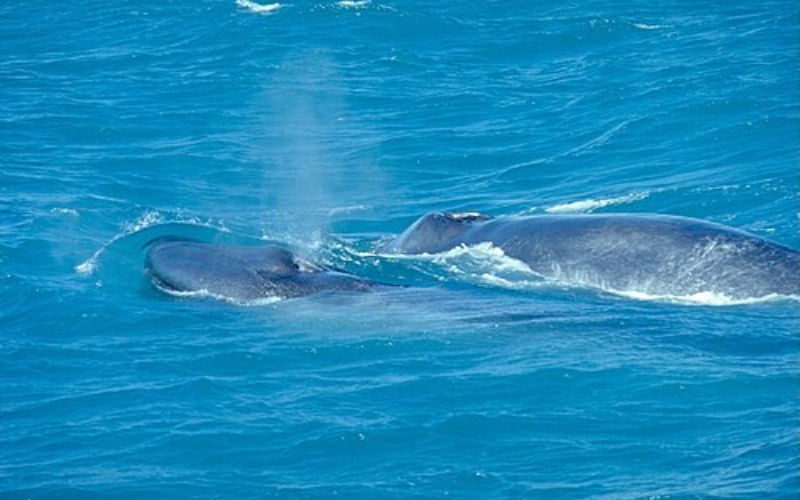
Along the continental shelf between King Island and Kangaroo Island from November to April each year, the Great Australian Coastal Upwelling System comes to life, pumping nutrients from deep water onto the shelf, nourishing swarms of krill which in turn sustain pygmy blue whales.
Image courtesy Blue whale - Wikipedia
Dr Pete Gill has been studying the ecology of these whales since 1998, in the longest-running blue whale research program in the Southern Hemisphere. He will discuss the history of this research, some of its key findings and concerns for the future. After a previous life working in the Australian bush,
Pete Gill became involved in whale research in 1983, studying humpback and southern right whales, before branching out into studies of humpback migration in the south-west Pacific and around Australia. During the 1990s, after several private Antarctic sailing expeditions and a research circumnavigation of Australia, he helped to initiate pioneering studies in Antarctic whale ecology during voyages aboard R/V Aurora Australis. Since 1995 he has worked as an occasional lecturer and guide on Antarctic tourist vessels.
In February 1998 Pete 'discovered' the so-called Bonney Upwelling blue whale feeding ground and started the Blue Whale Study - a long-term research project on the feeding ecology of pygmy blue whales in the Upwelling and adjacent waters off south-east Australia. He has a PhD from Deakin University on the ecological links between blue whales, krill and the upwelling system. Pete is CEO of the not-for-profit Blue Whale Study, based near Portland Victoria, and an Honorary Research Fellow at Deakin University, Warrnambool.
Date and Time
20 August 2026 | 5:30 pm
Location
Hetzel Lecture Theatre, Institute Building, State Library of SA, North Tce, AdelaideCost
Members: $5 Non members: $10
The RGSSA library will be open from 4:00 to 4:45 pm
The lecture will be preceded by light refreshments from 5:00 pm