Lunchtime Meeting
S.W. Silver and the York Gate Library
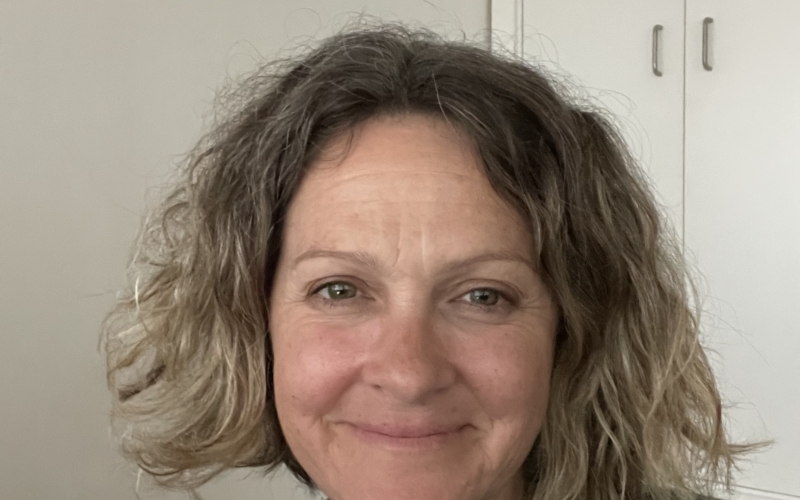
Dr Sophie Mew
This research proposes to explore the case of the York Gate Library as a fascinating early example of object movement for reasons of social interest and cultural relevance to UK and Australian societies. Sophie is a recipient of one of the RGSSA's Library Fellowships in 2026.
What happens to private collections when we die? For over half a century, Stephen William Silver (1819-1905) acquired a vast amount of valuable travel journals, atlases, periodicals and other publications to form the York Gate Geographical and Colonial Library in his London home. He also spent a lifetime collecting specimens that filled his private museum in his manor house in Letcombe Regis near Oxford. When he died in 1905, the art and nature collections — that ranged from samples of canary seed from Spain to a quiver from Guyana as well as an important collection of New Zealand birds — were dispersed largely via the Linnaean Society with the support of Silver’s wife and daughter. Items were distributed to cultural institutions that seemed the best fit at the time, and the York Gate Library remaining intact was transferred to the RGSSA in 1905 and shipped to Adelaide.
Following on from research and published work on the life of S.W. Silver positioned within the contexts of global exploration, the slow evolution of networks and growth of empire, this next body of work turns to Silver’s legacies and the fate of his dispersed collections. The physical movement of items between cultural institutions is a growing area of research within the UK and beyond. This research proposes to explore the case of the York Gate Library as a fascinating early example of object movement for reasons of social interest and cultural relevance to UK and Australian societies.
Sophie has a breadth of experience with collection managemwnt including:
- Professional Organiser and Declutterer founder of For the Love of Things (current) Sophie categorises, organises and manages client’s collections and spaces in their homes. Working closely with people, she offers support and advice with their decisions.
- Community Author Museum of The Home (current) She is part of a small team that is helping the museum to review their disposals policies.
- Consultant National Trust collections
- Project Assistant Royal Hospital of Neuro-Disability Working with the archivist and staff teams she produced the Hospital’s first public exhibition.
- Consultant Musée de la femme (Dakar) with Goldsmiths University
- Project Curator Horniman Museum and Gardens Supporting the development of the new World Gallery project she conducted provenance research on the collections. She co-curated sections of the Gallery with responsibility for specific areas and carried out new acquisitions from local communities for display.
- Project Curator The British Museum, Money in Africa project, Dept. Coins and Medals Sophie sourced archival material in Freetown, Accra, London and authored an article on resistance to colonial currencies. As duty curator, she was the key point of contact for public enquiries. She curated displays, gave tours, assisted visiting scholars and presented my work.
Date and Time
3 December 2026 | 12:00 pm
Location
Hetzel Lecture Theatre, Institue Building, State Library of South AustraliaCost
Members: $Gold coin Non members: $5